

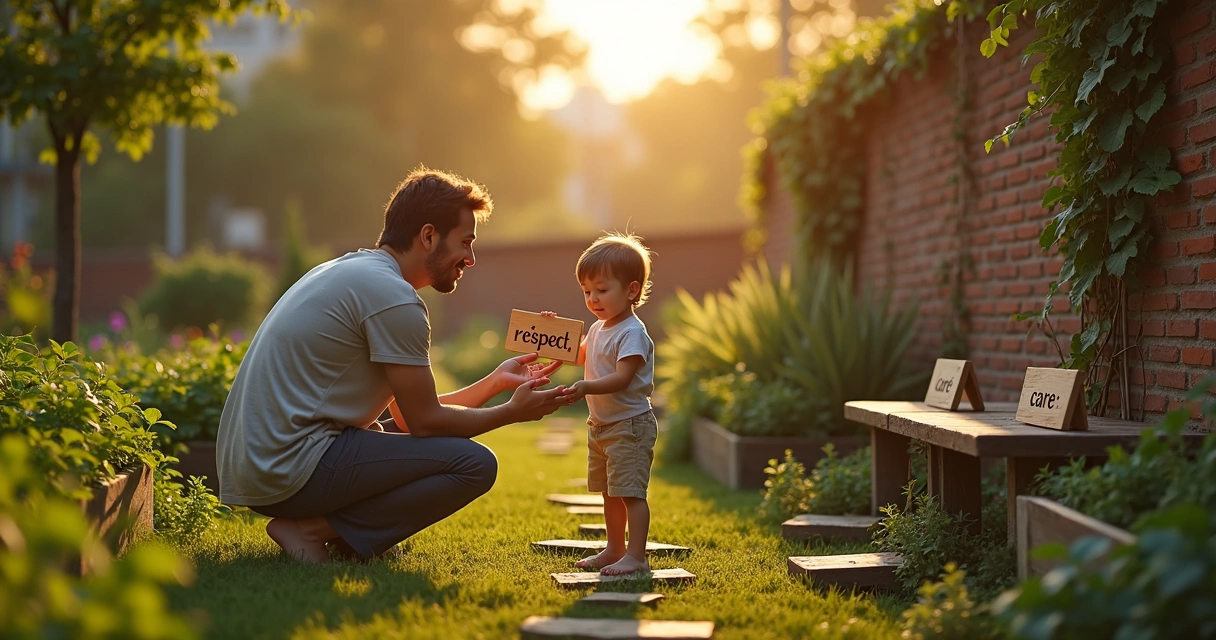
When we teach values to children, we are not only shaping behavior. We are helping them build an inner way of seeing life, people, and themselves. That process does not begin with long speeches. It begins in daily moments, in the tone we use, in how we handle frustration, and in the way we repair mistakes.
We think children learn values best when they can feel them, not only hear about them. A child may forget a lecture, but they rarely forget the calm presence of an adult who listened before correcting. That is where deep learning starts.
Values take root in children when they are repeated through simple, honest, and loving actions.
What do these values look like in childhood?
In our experience, values linked to consciousness, emotional balance, respect, responsibility, and human worth can be taught in a very practical way. For children, this means learning to notice what they feel, name what they need, and act with care toward others.
A small scene says a lot. A child loses a game and throws the pieces on the floor. Many adults react at once. We understand that impulse. Still, this can become a powerful teaching moment. Instead of only punishing, we can help the child pause, breathe, collect the pieces, and speak about the frustration. The lesson becomes bigger than obedience. It becomes self-knowledge.
Children copy what we embody.
If we want to raise children with inner order, we need to model inner order in front of them. This does not mean being perfect. It means being coherent enough for them to trust what they see.
Start with the emotional language of the home
Many value conflicts in childhood are, in truth, emotional confusion. A child who cannot name sadness may turn it into anger. A child who feels unseen may act in ways that look defiant. That is why emotional language matters so much.
When children learn to name feelings, they gain more choice in how they respond.
We can make this natural with short phrases used every day:
"You look disappointed."
"Was that hurtful for you?"
"Let us calm down first, then talk."
"You are angry, but you still need to be respectful."
This kind of speech teaches two things at once. Feelings are real, and behavior still has limits. Children need both.
For families who want to read more about emotional patterns and child behavior, we often suggest materials related to psychology and inner development.
Use small rituals that build inner order
Children respond well to rhythm. Repeated actions create safety, and safety helps values become habits. We have seen that simple rituals often work better than grand plans.
Good rituals can include:
A quiet minute before meals
A bedtime question such as "What did you learn today?"
A family pause after conflict to speak and repair
A morning intention like "Today we will speak with kindness"
These moments do not need to feel rigid. They should feel human. Some days they go well. Some days they do not. That is normal. The strength comes from returning to them.
Teach responsibility without shame
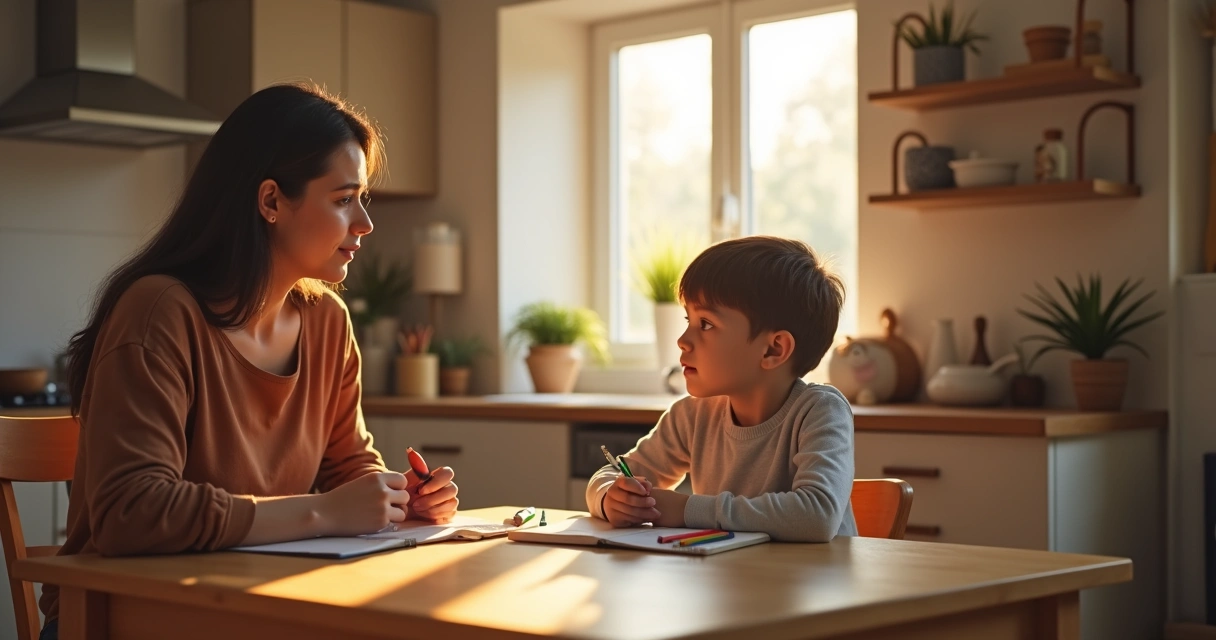
One mistake many adults make is turning values into fear. A child breaks something, lies, or speaks harshly, and the correction becomes humiliation. The child may obey for a moment, but shame often blocks learning.
We believe responsibility grows better when correction is clear, calm, and linked to repair. If a child hurts a sibling, we can guide them to notice the impact, apologize with sincerity, and offer a reparative action. If they damage an object, they can help fix or replace it when possible.
This teaches cause and effect in a healthy way. The child learns, "My actions matter," not "I am bad."
Healthy responsibility helps children connect freedom with consequences.
Research supports this focus on emotional and behavioral learning. Findings from social-emotional learning interventions in early childhood showed gains in self-regulation, emotional skills, social skills, and fewer behavioral challenges. That confirms what many families notice at home. Children do better when inner skills are taught with care.
Show respect for systems, not only individuals
Children live inside systems. Family, school, friendships, and routines all affect how they act. Sometimes a child is not resisting values. They are reacting to tension around them.
We have seen this in simple family scenes. One child becomes "the difficult one," while another is called "the easy one." Over time, both children get trapped in those roles. Values fade because labels take over.
That is why we encourage families to observe patterns, not only incidents. Ask questions such as:
Who gets heard most in this home?
How do we react when one child cries and another gets angry?
Are we correcting behavior, or are we repeating labels?
This broader awareness helps us teach fairness, belonging, and respect in a deeper way. If this topic speaks to you, content related to consciousness can offer useful reflection for family life.
Make value learning visible through action
Children understand values faster when they can practice them in real life. Words alone stay abstract. Action gives values shape.
We can invite children to live values through ordinary tasks:
Taking care of a shared space
Waiting for their turn during family conversations
Writing a note of gratitude
Helping someone without being asked
Saving part of what they receive to give or share
This also supports a broader sense of worth. Children start to see that value is not only in winning, having, or standing out. Value is also in how we treat life, people, and what has been entrusted to us. Families interested in this broader view often appreciate reflections on human valuation.
Be patient with repetition
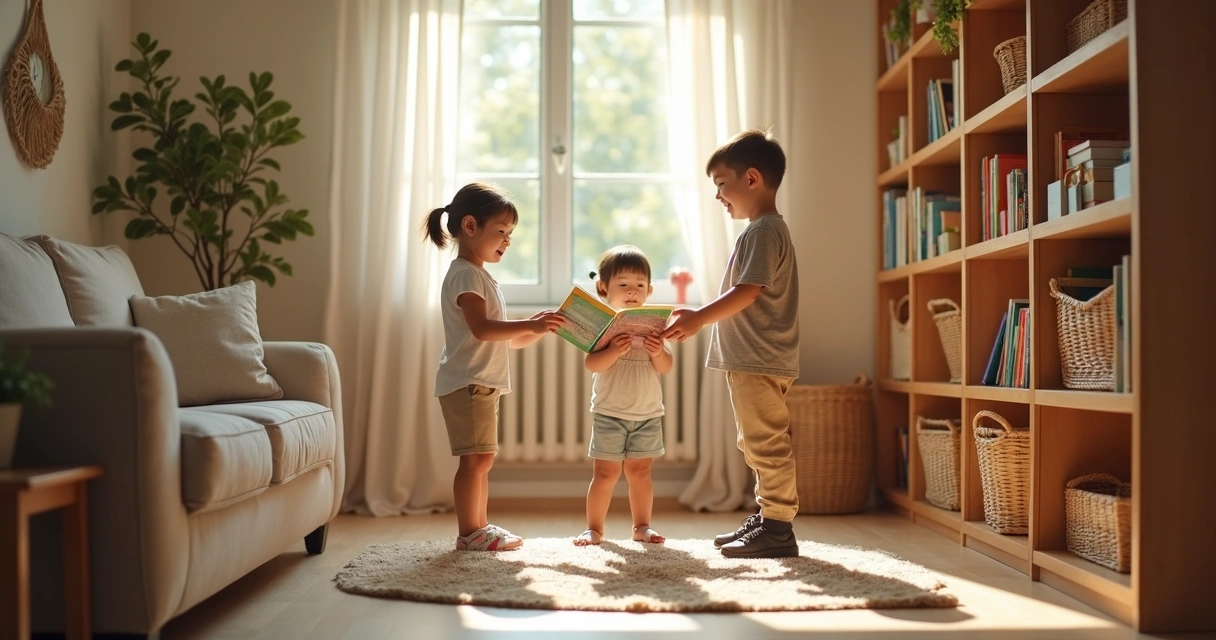
Values are not installed in one conversation. They are formed through repetition, correction, example, and time. Sometimes a child seems to understand a value one day and reject it the next. We know how tiring that can feel. Still, this is part of the process.
A large review of self-regulation interventions for children and adolescents found that many programs improved self-regulation and also supported social, academic, and behavioral outcomes. This matters because value education depends a lot on self-regulation. A child may know what is right, but still need time and guidance to do it when upset.
That is why patience is not softness. It is mature consistency.
When families want more reflections from our writers, they can find them through our editorial team or look for a specific topic in the site search.
Conclusion
Instilling Marquesian values in children is, in practice, a daily path of teaching awareness, emotional honesty, respect, responsibility, and human worth. We do not build this only by explaining ideals. We build it by how we listen, how we correct, how we repair, and how we live in front of them.
The good news is simple. We do not need perfect conditions to begin. We need presence. We need coherence. We need the courage to teach by example, even while we are still learning too.
Children grow through what we repeat.
Frequently asked questions
What are Marquesian values for children?
They are values that help children grow with self-awareness, emotional balance, respect, responsibility, and care for others. In childhood, these values appear in simple attitudes such as telling the truth, calming down before acting, respecting limits, and recognizing the impact of one’s actions.
How to teach Marquesian values at home?
We teach them best through daily example, calm correction, emotional language, and family rituals. Short practices such as naming feelings, repairing mistakes, sharing responsibilities, and pausing before reacting help children learn values in a natural and lasting way.
Why are Marquesian values important?
They help children build inner order, healthier relationships, and a stronger sense of responsibility. These values also support better emotional regulation, which can improve behavior, communication, and the ability to make balanced choices over time.
What activities help learn Marquesian values?
Activities that connect feeling and action work well. Examples include gratitude notes, caring for shared spaces, family reflection at bedtime, breathing before conflict, role-playing respectful communication, and helping others through small acts of service.
At what age to start teaching values?
We can start very early, even in the toddler years. Young children learn values first through tone, routine, and imitation. As they grow, we can add clearer conversations, shared rules, and guided reflection that match their age and level of understanding.