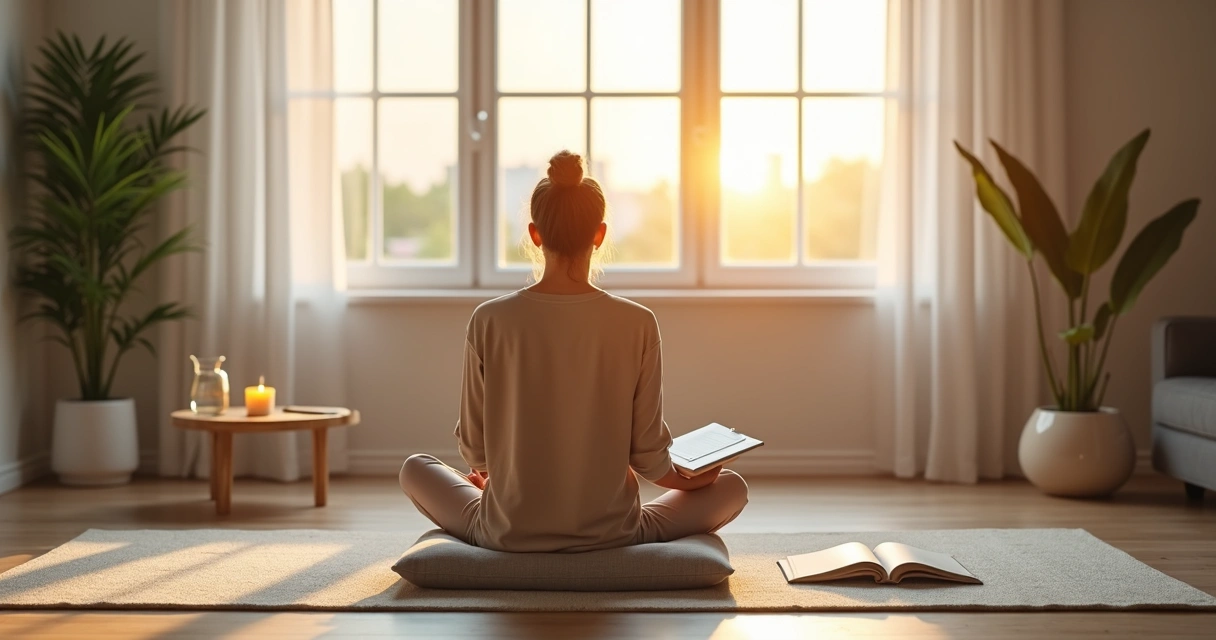


Self-observation used to sound mysterious to many of us. Maybe even confusing. Over time, we have realized that it is not only possible to observe ourselves daily, but it also brings clarity and calm in everyday life.
Understanding self-observation
What do we really mean by self-observation? In our experience, it’s the consistent act of being present to our thoughts, feelings, and reactions, without trying to immediately change or justify them. Self-observation goes far beyond passive thinking.
Notice your inner world as you live it.
By doing this, we develop an honest relationship with ourselves. At its core, self-observation is about watching what happens inside us as it happens, with a sense of openness and curiosity. This can be a quiet moment during your commute, a pause before replying in a tense conversation, or as part of a structured reflective practice in your routine.
Why daily habits matter
We have noticed that occasional self-reflection provides some insight, but it’s the repetition that creates real change. Habits anchor self-observation in daily life, making it as ordinary as brushing teeth.
When practiced daily, self-observation becomes a gentle companion throughout our day. It helps us spot automatic reactions, outdated beliefs, and even subtle emotional tensions. Over time, patterns appear with more clarity.
Daily repetition is what transforms self-observation from a rare event into a living process.
Common barriers and how to approach them
We often hear that some people struggle to build this habit. Here are a few barriers many face, and some fresh ways to approach them:
- Lack of time: Start with moments you already have – such as while waiting for water to boil or standing in line.
- Discomfort with emotions: See discomfort as information, not failure. We all resist unpleasant feelings at first.
- Unclear starting point: Use simple prompts like “What am I feeling now?” or “What story am I telling myself about this?”
- Restlessness or impatience: Set your expectations low. Even one minute counts and builds the habit.
This approach removes pressure. Self-observation doesn’t need to be dramatic or deep every time. It just needs to be honest and consistent.
A step-by-step guide to building a daily reflective habit
We have found that structure makes self-observation easier. Here’s a sequence that works for many people:
- Pick a fixed cue: Identify a moment or routine you can tie this habit to, such as after waking up, post-lunch, or before bed.
- Choose a simple method: This can be a short pause in silence, a journaling session, or a 3-minute body scan. What matters most is repetition.
- Use guiding questions: Try asking, “What did I react to today?” or “What emotion is present right now?” Write down or mentally note your responses.
- Stay curious, not critical: If your mind wanders or hard emotions appear, name them gently. No need to fix, just witness.
- End with a small intention: After observing, set a tiny intention for your next hour or day. It might be as simple as “I’ll pause before speaking when I get annoyed.”
- Track your consistency, not your success: The goal is to show up, not to analyze perfectly. Consider a calendar or journal streak to help motivate yourself.
Sometimes, we see real transformation when people replace “all-or-nothing” thinking with small, regular acts. Missing a day is not failure – it is an invitation to start again, gently.
Simple practices for reflection
Not all reflective practices need to be formal. In our research, we have found a variety of methods suit different personalities and schedules. Here are a few, each easy to try:
- Mini check-ins: Pause during the day to notice your posture, breath, and mood. Even ten seconds allows a tiny window of self-awareness.
- Reflective journaling: Write down a highlight and a challenge from your day. Then briefly note what you learned about yourself from each experience.
- Conscious breathing: While waiting, pay attention to your breath and how your body feels. This can act as a gentle anchor for self-observation.
- Guided prompts: Use questions such as “What surprised me today?” or “Was I present in my interactions?” as entry points.
- Evening review: Before sleep, scan the day in your mind, looking for moments when you acted from habit versus moments of conscious choice.
All of these can be refined or mixed together. The key is to make them personal and practical.
Integrating self-observation into your daily life
We have seen that reflective habits grow best when they are woven into regular activities.
Reflection need not take extra time; it can blend with daily living.
For example, while engaging in a conscious movement or meditation practice, pause at the end to note a single thought or emotion that surfaced. When handling daily conflicts, step back mentally and notice your first reaction, even if you don’t act on it. Little by little, self-observation becomes second nature.
Self-observation can also be nurtured by reading more about psychology practices or enriching your understanding of meditation routines. Curiosity about human consciousness or values might lead you to study consciousness or human valuation. Resources like the online search hub may offer helpful insights and perspectives for those wanting to deepen their habits.

The role of self-compassion during self-observation
Building a habit of self-reflection sometimes uncovers old mistakes or uncomfortable emotions. We believe it is essential to meet these discoveries with compassion.
Being honest with ourselves is only helpful when coupled with kindness for our own limits and faults. This attitude creates a safe mental space and encourages regular observation rather than avoidance.
If you come across regrets or judgments in your reflection, try this exercise: place your hand over your heart or stomach and acknowledge the discomfort aloud. Then remind yourself that mistakes are part of everyone’s human experience.

How to stay motivated and avoid perfectionism
Staying motivated relies more on kindness than on toughness. When motivation fades, we encourage you to focus on progress rather than perfection. Keep your expectations clear and reasonable.
We suggest setting reminders – maybe on your phone or via sticky notes – with gentle questions that spark interest instead of pressure, such as “How am I today?” or “What brought me joy?”
If your practice feels stale, refresh your approach: change the time, experiment with journaling rather than mental notes, or share reflective insights with a trusted friend or community.
Motivation grows when we appreciate small wins.
Conclusion
Self-observation is a journey of presence, not a race to some distant finish line. When we commit to daily reflection, even in modest doses, we gain insight, self-acceptance, and room for change. Progress in this area comes through regular reminders and a willingness to begin again, no matter how many times we lose our way.
Building a daily reflective habit asks for curiosity, patience, and self-compassion above all else. We can all start today, with just a pause and a question.
Frequently asked questions
What is daily self-observation?
Daily self-observation means consciously noticing your thoughts, emotions, and reactions every day, without judgment or the urge to change them instantly. It involves paying close attention to your inner experience, often through short pauses or reflection, to better understand yourself.
How do I start self-reflection habits?
We recommend beginning with simple, consistent cues—such as reflecting after meals or before bed. Start with brief check-ins or guided questions, and use tools like journals or reminders. The key is repetition rather than depth or duration.
Why is self-observation important?
Self-observation helps us recognize patterns, automatic reactions, and emotions that drive our choices. It supports emotional maturity, better decision-making, and personal growth by encouraging honest self-awareness.
How much time should I spend daily?
A few minutes a day can make a real difference. We have found that even a consistent one to five minutes of daily reflection, when practiced over time, has lasting benefits. Quality and regularity matter more than long sessions.
What tools help with self-observation?
Tools that support self-observation include notebooks, digital journals, subtle reminders, guided prompts, and mindfulness or meditation apps. Choose those that fit your lifestyle, and focus on what makes self-reflection natural and accessible for you.