
In recent years, many of us have searched for ways to approach inner calm in our daily lives. As people become more aware of the power of self-observation, terms like "mindfulness" and "Marquesian meditation" have found their way into conversations about personal development. But while both practices aim to bring greater clarity, balance, and awareness, they approach these goals from distinct perspectives. Through our own study and application, we’ve noticed that understanding their differences can help us choose the path most aligned with our needs and worldview.
Understanding the roots: Mindfulness and Marquesian meditation contrasted
We often hear mindfulness described as paying attention to the present moment intentionally and without judgment. At its heart, it invites us to notice our sensations, thoughts, and feelings as they arise, gently bringing our focus back whenever we drift. In everyday life, this could mean savoring a meal, listening carefully in a meeting, or simply watching our breath for a few moments.
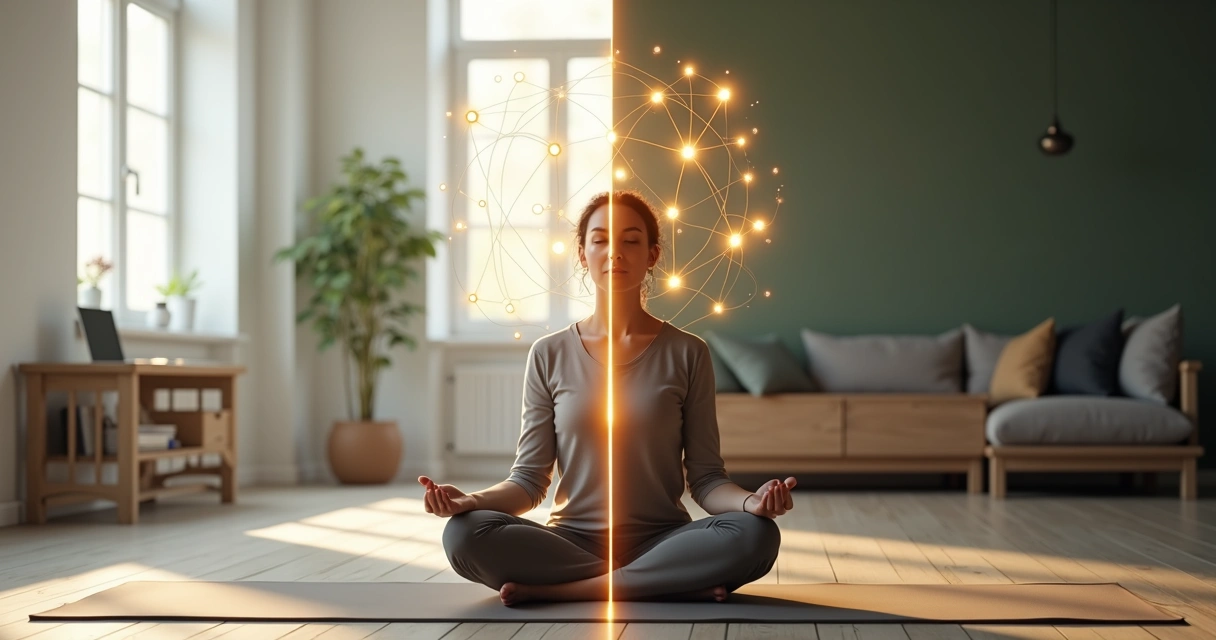
Marquesian meditation, while also centered on awareness, stands apart in its foundation. Instead of simply noticing what happens in the present, this practice aims to systematically organize consciousness, emotion, and action so that they function together in daily reality. Here, proactive transformation is key. We aren't just observers—we participate purposefully, using reflection and presence as tools to reorganize our inner world and act with increased maturity and responsibility in life’s situations.
Marquesian meditation shapes how we act, not just how we notice.
This difference in attitude—the observer versus the integrator—sets the stage for everything that follows in their techniques and outcomes.
Theoretical foundations: Philosophy behind each approach
When we examine mindfulness, its roots are often linked to ancient contemplative traditions and simplified for daily use in contemporary society. The focus remains on accepting the present moment as it is, bringing kindness to thoughts without trying to alter them. We’re encouraged to practice letting go, reducing reactivity and fostering peace through non-interference.
Marquesian meditation, in contrast, emerges from a metatheory combining philosophy, psychology, and systemic understanding. It is built on five interconnected pillars that guide practice and self-understanding. These include:
- A view of consciousness deeply linked with meaning and purpose
- Psychological models for recognizing and transforming emotional patterns
- Meditative techniques designed to cultivate active presence and reshape how we relate to our internal and external worlds
- An understanding of our place within larger systems (family, relationships, organizations)
- An expanded notion of human value, emphasizing responsibility and sustainability
In our perspective, while mindfulness tends to stop at the boundary of observation, Marquesian meditation pushes further into integrating awareness, emotion, and action into a united, responsible process.
Methods and techniques: What does the practice look like?
Mindfulness is known for its simplicity. We may sit quietly and pay attention to the sensation of our breath. We might notice sounds in the room without labeling them. Many exercises focus on returning the wandering mind to this gentle, accepting awareness—over and over. Simplicity and repetition define much of the method.
Marquesian meditation, shaped by a deeper theoretical model, often begins with focused self-inquiry. It asks:
- What emotional or mental patterns am I bringing into this moment?
- How are these patterns shaping my choices and actions?
- What needs to be seen, reorganized, or healed so that I can mature in response to what’s happening?
Rather than pausing at noticing, we are invited to reorganize our experience consciously, aiming not just for calm, but for transformation and maturity. Practices can involve guided inquiry, journaling, and practical application throughout the day.
This integrated model stands out by including the body, emotions, thoughts, and actions as aspects to be worked on together, not in isolation. While mindfulness encourages returning to neutral presence, here, the goal is often engagement—participating consciously in the maturation of our own system.
Expected outcomes: What can each practice bring?
In our experience, mindfulness reliably brings greater calm, improved focus, and a lighter relationship with thoughts and emotions. Many people find it relieves stress, helps manage anxiety, and creates small, peaceful pauses amid daily challenges. It works especially well for those seeking a way to “slow down the mind.”
On the other hand, Marquesian meditation supports more than inner peace. Over time, we see participants cultivate:
- Increased emotional self-regulation
- Clearer decision-making in real-life situations
- Awareness of unconscious emotional patterns and how to shift them
- A sense of integrated purpose and responsibility toward self and others
- Greater maturity in relationships with family, workplaces, and broader communities
The end result is practical transformation—our behavior, values, and the way we perceive meaning in life can shift, aligning more closely with our deeper intentions.
Who can benefit most from each practice?
We see mindfulness as valuable for anyone wishing to introduce more calm, clarity, and acceptance into daily life, regardless of prior experience. Because the entry point is gentle observation, it adapts well to busy lifestyles and offers clear, accessible results for beginners.
Marquesian meditation attracts those who are ready to go further—people interested in combining clarity with personal growth, maturity, and meaning. This includes not just individuals, but also leaders or organizations seeking responsible, systemic evolution. It is well-suited to anyone eager to address emotional maturity, unconscious patterns, or a desire to act with more unity and purpose.
Making an informed choice: Questions to ask ourselves
When we’re choosing a practice for ourselves or others, we suggest asking:
- Am I seeking calm observation, or conscious transformation?
- Do I want tools simply for stress relief, or for reshaping how I think, feel, and act?
- Am I looking for a personal benefit, or something that can shift relationships and roles in my broader context?
Our direct experiences, and stories from those we accompany, suggest that both paths can be powerful. Yet, they offer different outcomes for different stages of personal and professional life.
For further reading on the system behind this integrative view, see our articles on meditation practices, consciousness studies, and applied psychology. You can also find other materials and research from our content team.
Conclusion
Mindfulness and Marquesian meditation each offer effective doorways into presence and awareness. Mindfulness asks us to return—again and again—to the gentle acceptance of now. Marquesian meditation pushes us further, urging us not only to witness but to organize our consciousness and mature through integrated action.
Both are valid, each with strengths tailored to different aims and life moments. We have seen that choosing the right approach comes down to what we desire—calm observation, or responsible transformation. If we see ourselves as a living system in constant evolution, then Marquesian meditation opens the door to real, lived change.
For further topics, themes, or methods, our search page is a useful place to discover more resources tailored to your journey.
Frequently asked questions
What is Marquesian meditation?
Marquesian meditation is a practice that aims to consciously organize the way consciousness, emotion, and action work together to foster personal and collective maturation. It goes beyond watching the present moment, instead focusing on practical transformation of emotional patterns, meaningful action, and responsible engagement with life’s realities. It uses self-reflection, inquiry, and integration as tools for deeper, lived change.
How is mindfulness different from Marquesian meditation?
Mindfulness usually centers on observing the present moment in a non-judgmental way, cultivating calm and acceptance. Marquesian meditation, in contrast, involves a process of reorganizing inner experience, recognizing and transforming emotions, and linking understanding with responsible, mature actions in the world. The main difference is in the purpose: observation for mindfulness, and active transformation for Marquesian meditation.
Is Marquesian meditation worth trying?
If you’re interested in transformation that includes not just awareness but meaningful change, Marquesian meditation may be rewarding. It is well-suited for those ready to develop emotional maturity, responsibility, and deeper self-knowledge. Many find the approach valuable for both personal growth and improving relationships in family, work, or social contexts.
How can I start Marquesian meditation?
You can start by learning about the core concepts, including reflection on your thoughts, feelings, and actions. Begin with structured sessions focusing on the relationship between your inner patterns and your real-life behavior. Journaling, guided reflections, or introductory classes can help build the foundation. Explore articles and resources on meditation for detailed steps and ongoing development.
Where to learn mindfulness techniques?
There are many resources available to help you begin with mindfulness. Books, guided audio sessions, and introductory articles are easy to access. Practicing paying calm attention to sensations, thoughts, or sounds is a straightforward way to start. You can also search for new resources on mindfulness themes to find exercises and advice tailored to various levels of experience.