

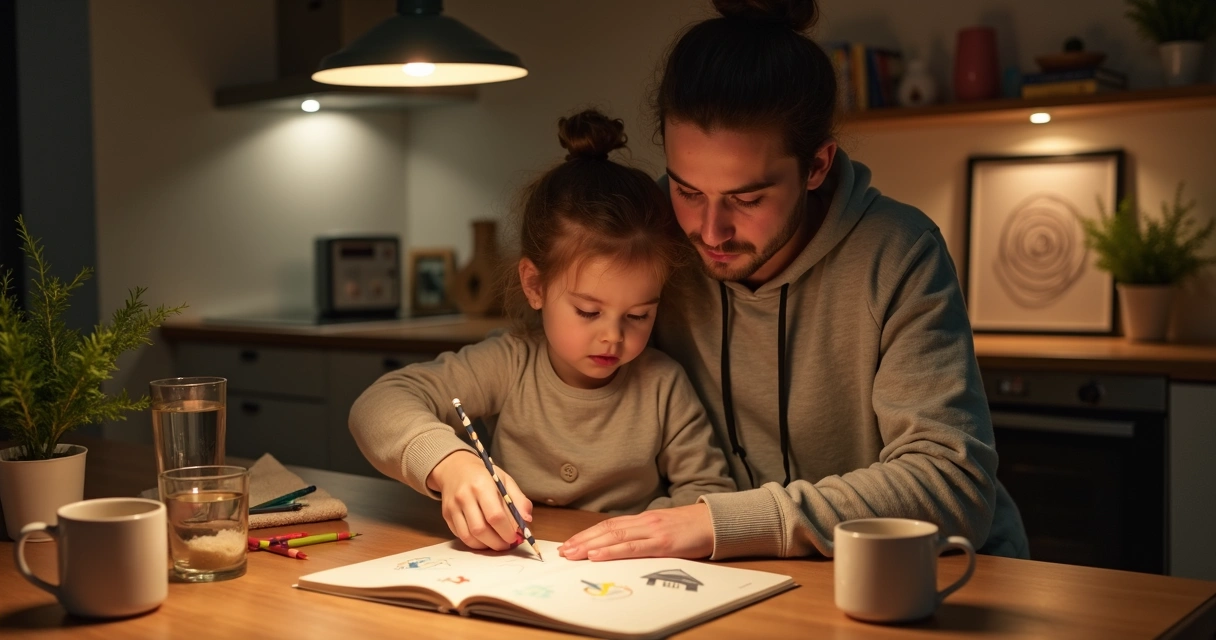
Parenting asks a lot from us. We need patience when we are tired, clarity when a child is upset, and firmness without becoming hard. Many parents feel this tension every day. We have seen that metatheory can help because it gives us a wider frame. It lets us look at behavior, emotion, meaning, and relationships together, not as separate parts.
Metatheory in parenting means using a bigger lens to understand what is happening in us, in our children, and in the family system.
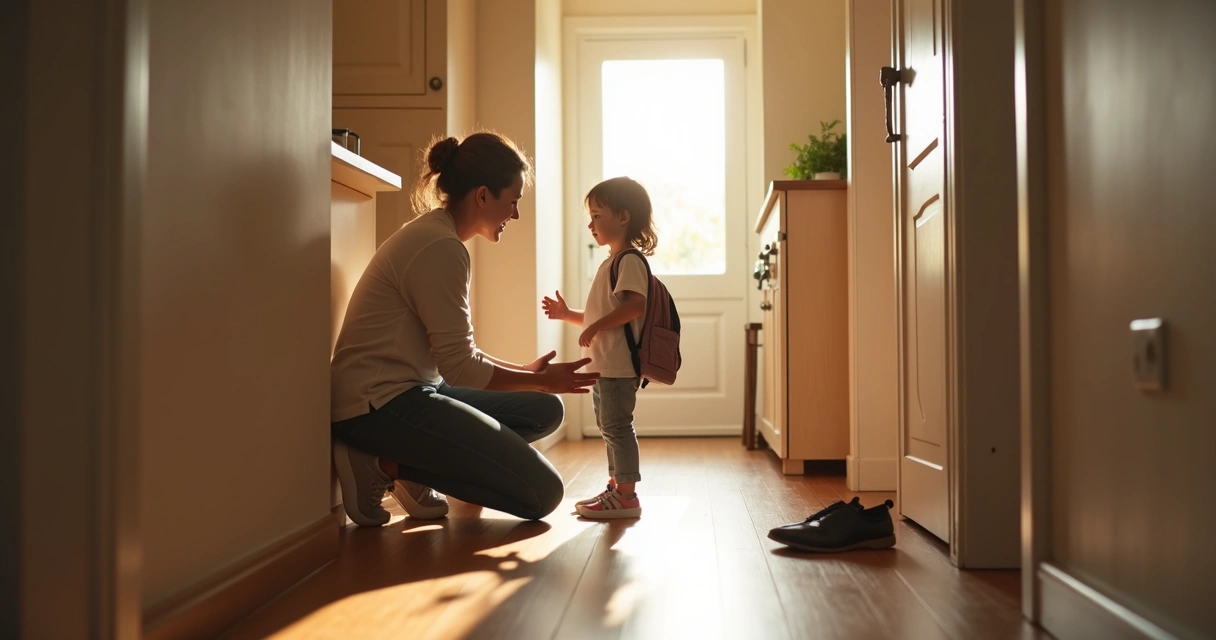
This may sound formal at first. In real life, it is very practical. A child refuses to put on shoes. One parent gets tense. The other tries to fix it fast. Soon the whole home feels tight. In moments like this, metatheory invites us to pause and ask better questions. What is the child feeling? What are we feeling? What pattern is repeating here? What response teaches, instead of only controlling?
Start with observation before reaction
The first step is simple, but not always easy. We observe before we react. Many parenting conflicts grow because we answer the surface and miss the deeper movement. A slammed door may hide shame. Silence may hide fear. Defiance may hide overwhelm.
We often suggest that parents spend one week watching recurring moments without rushing to label them. A small note on the phone can help. Write what happened, what came before it, and how everyone reacted.
When we do this, we begin to notice patterns such as:
Conflicts that happen at the same hour each day
Strong reactions after school or screen time
Power struggles linked to transitions
Our own irritation rising when we feel ignored
Good parenting often begins with clear observation, not fast correction.
If you want to deepen this kind of emotional reading, our reflections on psychology can support that process.
Bring consciousness into the small moments
We do not need a perfect routine to parent with more awareness. We need small returns to presence. One deep breath before answering. One second of silence before saying no. One honest sentence instead of a long speech.
Pause changes tone.
In our experience, children feel the quality of our presence quickly. They may not use those words, but they react to it. A parent who speaks from centered attention sounds different from a parent who speaks from inner pressure.
We can build this into daily life with a short sequence:
Stop for one breath.
Name what is happening inside us.
Notice what the child may be expressing.
Choose a response that teaches limits and respect together.
This is one of the simplest ways to connect parenting with a wider understanding of consciousness. Parents who want language for this inner work may find value in our articles on consciousness.
See behavior as part of a system
Children do not act in isolation. Neither do we. Family life is a system, and each person affects the others. Sometimes a child carries tension that belongs to the whole home. Sometimes a parent reacts strongly because an old wound has been touched.
This is where metatheory becomes very helpful. It moves us away from blame and toward relationship. Instead of asking, “What is wrong with my child?” we can ask, “What is happening between us, around us, and beneath this moment?”
That shift matters. Data shared by UNICEF on violent discipline in early childhood shows how common harsh responses still are across the world, and how deeply they can affect development and well-being. A wider lens helps us interrupt that cycle.
If this relational view speaks to you, our content on systemic constellation offers useful paths for reflection.
Teach limits without emotional humiliation
Parenting with depth does not mean saying yes to everything. Children need structure. They need boundaries that are clear and steady. But limits work better when they protect dignity.
We have seen the difference in ordinary scenes. A child spills juice after being told to be careful. One response attacks the child’s character. Another addresses the act and guides repair. Both may stop the behavior in the moment, but only one supports growth.
A healthy limit corrects the action without damaging the child’s sense of worth.
Try language like this:
“We do not hit. If you are angry, we will find another way.”
“The toy stays away for now. We can try again later.”
“You may be upset, but you still need to speak with respect.”
Short. Clear. Steady. Children learn more from grounded repetition than from emotional intensity.
Use meaning, not only technique
Many parents collect tips but still feel lost in hard moments. That often happens because technique without meaning becomes fragile. Metatheory asks us to connect action with values. Why do we want our child to tell the truth? Why do we insist on respect? Why does repair matter after conflict?
When our parenting actions are tied to meaning, we become less mechanical. We are not just managing behavior. We are shaping conscience, responsibility, and the ability to live with others.
A review available through research on parental knowledge of child development points out that when parents understand development better, parent-child interactions tend to improve, and families are more likely to use practices that support healthy growth.
That is why learning matters. Not to become rigid. To become more awake.

Practice repair after mistakes
No parent gets it right all the time. We all miss signals. We all speak too fast sometimes. A wider model of parenting must include repair, because children do not need flawless adults. They need honest ones.
Repair builds trust.
When we apologize with sincerity, children learn that relationships can recover. We can say, “I spoke too harshly. That was not the right way. Let us start again.” This does not weaken authority. It gives authority moral weight.
Repair also teaches children to do the same with siblings, friends, and later with partners and co-workers. This is how daily parenting reaches far beyond the home.
Make value visible in family life
Children learn value through lived experience. If we speak about respect but mock others at home, they absorb the contradiction. If we speak about care but rush through every relationship, they absorb that too.
Metatheory becomes daily parenting when values are visible in small acts:
Listening fully when a child talks
Sharing family tasks with fairness
Speaking truth without cruelty
Showing care for people, time, and shared spaces
Parents who want to reflect on value in a broader human sense can continue through our section on human valuation. You can also learn more about our perspective and writing voice through the Team Mind Calm Practice author page.
Conclusion
Simple steps can change the emotional climate of a home. We observe before reacting. We pause. We read behavior in context. We set limits without humiliation. We repair when we fail. And we let values appear in ordinary moments.
That is how metatheory becomes real in parenting. Not as a distant idea, but as a steady way of seeing. Over time, this wider lens helps us raise children with more inner clarity, and it helps us grow as parents too. Quietly. Daily. In the middle of real life.
Frequently asked questions
What is metatheory in parenting?
Metatheory in parenting is a broad way of understanding family life. It looks at thoughts, feelings, behavior, values, and relationships together. Instead of seeing one problem in isolation, we try to understand the whole pattern around it.
How can I use metatheory daily?
We can use it daily by pausing before reacting, observing patterns, asking what a child’s behavior may be expressing, and choosing responses that teach respect and responsibility. Small acts of awareness are enough to begin.
Is metatheory helpful for parents?
Yes. It helps parents move beyond blame and quick control. It supports clearer choices, calmer communication, and better understanding of how personal feelings and family patterns affect parenting.
What are the benefits of metatheory?
The benefits include more self-awareness, steadier limits, less reactive discipline, stronger repair after conflict, and deeper alignment between values and daily actions. It can also improve the emotional tone of the home over time.
Where can I learn metatheory basics?
You can begin with thoughtful reading on consciousness, psychology, family systems, and human values. Start with simple materials that connect ideas to daily life, then reflect on your own parenting patterns and practice one change at a time.