


Throughout human history, inner suffering has shaped our choices and relationships. We see familiar patterns in ourselves and others, cycles of pain repeated without fully knowing why. These deeper emotional wounds do not just belong to one person or culture. They are part of our shared human experience, and understanding them is a step toward true inner transformation.
What are the nine pains of the soul?
The nine pains of the soul are deep, universal emotional wounds that influence identity, relationships, and how we experience life. In our experience, these are not short-term feelings or surface-level struggles. They arise from unresolved experiences, beliefs, and unconscious memories, often formed early in life or even passed generationally.
While everyone carries emotional pain in some form, the nine pains outline nine core emotional wounds. Understanding these pains allows us to recognize patterns, untangle their grip, and begin to heal on a deep level.
Understanding each pain of the soul
Each pain has its own story. We want to look at each one, showing how it shapes life and offering clues to spot it within ourselves.
- Rejection: At the heart of this pain is a feeling of not belonging, of being unwanted. People carrying this pain often believe they are not worthy of love. They might over-adapt to please others or avoid new connections for fear of further rejection.
- Abandonment: This pain leaves a person feeling alone and unsupported. We notice that those living with this wound crave attention or, on the other side, isolate themselves to avoid potential loss. Deep inside, there is a fear of being forgotten.
- Betrayal: Anyone who has felt let down by someone they trusted knows the sting of betrayal. It often turns to distrust—not just of others, but of oneself. Some may control situations obsessively, hoping to avoid being deceived again.
- Injustice: People with this pain feel a constant sense that life is unfair, and they may experience criticism as personal attacks. This can show as perfectionism or a need to prove their own value over and over.
- Humiliation: This pain makes a person deeply sensitive to shame. They might put others' needs before their own to avoid negative attention, or anticipate ridicule before it occurs. Compassion is often turned outward, but inwardly there is self-judgment.
- Guilt: Carrying guilt colors every decision and thought. It is a heavy sense of responsibility, sometimes for things outside of one’s true control. People with this wound may sabotage their own happiness, believing they do not deserve it.
- Fear: Not just a passing emotion, but a pattern of avoiding life’s opportunities. This pain keeps people stuck, retreating rather than growing. The world can become a place filled with potential threats instead of possibility.
- Loss: This is the ache of grief, not only for people but for missed dreams or lost parts of oneself. Unprocessed loss can lead to a feeling of emptiness or a sense that something critical is always missing.
- Inadequacy: At times, we meet people with much to offer, yet they cannot recognize their own worth. The pain of inadequacy leads to comparing oneself harshly, fearing failure, and never feeling “enough.”
Recognizing these pains is the first step to real change.
Where do the nine pains come from?
We have seen that the roots often lie in childhood, when our sense of self is still forming. Harsh words, neglect, loss, or being misunderstood leave impressions that shape beliefs and reactions. Sometimes, the pain is inherited, passed quietly from one generation to the next through family systems.
It is not only major trauma that causes these wounds. Even subtle, repeated experiences can create lasting pain.
Unresolved pain shapes how we interpret the world. We may become overly responsible due to guilt, or hide our ambitions for fear of betrayal.
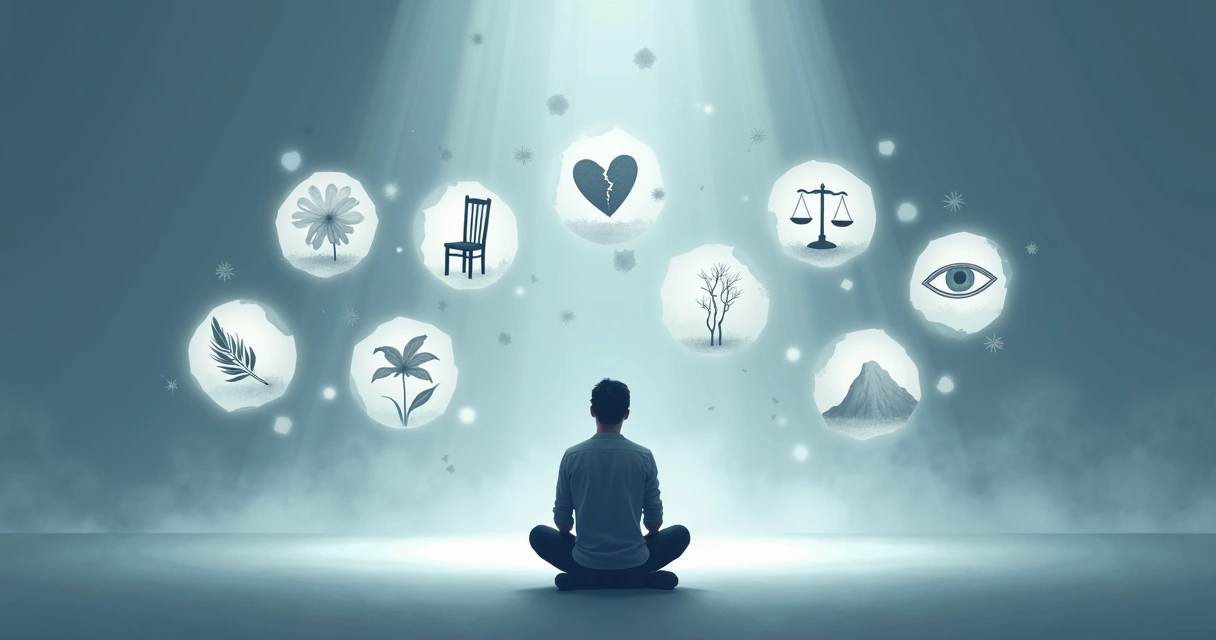
How the pains influence life
Pains of the soul do not disappear with time. If ignored, they show up in thoughts, habits, relationships, and even physical health. We see people reliving the same conflicts or shutting down in situations that echo past hurt. Sometimes, these wounds lead to risky choices, clingy relationships, or holding back from opportunities.
Healing starts with awareness and a willingness to listen silently to what lies beneath reactions, emotions, and self-talk.
Techniques such as conscious presence, reflective journaling, and gentle conversation can uncover hidden patterns. Practicing attention to one’s body sensations—especially during moments of discomfort—offers surprising insight.
Is healing possible?
Yes, absolutely. The process takes courage, patience, and the right support. We have found that transformation happens when attention, emotion, and conscious choice work together. It is not about erasing the past, but about creating a new story from today forward.
Some tools play a helpful role on this journey:
- Meditation practices for inner calm and emotional balance.
- Reflection and discussion, often guided by a psychological approach such as those discussed in our psychology articles.
- Learning from experiences within our own systems—family, work, and social groups—connected to themes you can find at systemic constellation resources.
Healing the nine pains is not an instant event. It is a continuous process enabled by self-awareness, acceptance, and the gradual choice to act differently, even when old patterns try to take over.
Growing from pain to conscious living
When the pains are faced with honesty and compassion, life changes. The sense of being a victim drops away, and we begin to stand stronger in our own truth. Old fears lose their control, and new pathways open.
We have observed that understanding one’s core pain is not about blame—it is about freedom. Living with awareness of these wounds helps us avoid hurting others, break destructive cycles, and become responsible for our own growth.
Healing begins when we are honest about what hurts.

Expanding the idea of value and self-worth
One of the deepest consequences of these pains is a distorted sense of what is valuable in ourselves and others. Healing these pains shapes how we measure value, not by achievements alone, but by presence, responsibility, and care for ourselves and our communities—a topic deeply connected to concepts discussed under integrative human valuation.
This new awareness carries over to work, family, and society. We see leadership that honors emotion, ethics, and sustainability. We see people giving back to others, not out of guilt, but from a place of inner fullness.
Living with meaning and purpose
As old wounds heal, people no longer define themselves by past pain. Decisions become grounded in clarity and purpose. Seeing oneself as an integrated being—fulfilling obligations but also bringing joy and creativity—leads to a fuller, more authentic life.
If we also look toward understanding consciousness itself, such as those ideas found in consciousness studies, the path to meaning becomes even richer, guiding both personal growth and the positive influence we offer others.
When we heal our deepest pain, we become free to live authentically.
Conclusion
The nine pains of the soul are not rare, nor are they signs of weakness. They are common ground for anyone seeking growth, peace, and genuine connection. Awareness, acceptance, and conscious action create a path not just for healing, but for transformation. As we meet these pains with courage, we become more responsible, authentic, and grounded in meaning.
Frequently asked questions
What are the nine pains of the soul?
The nine pains of the soul are deep emotional wounds—rejection, abandonment, betrayal, injustice, humiliation, guilt, fear, loss, and inadequacy—that influence patterns of emotion, behavior, and self-worth. They are universal experiences that shape how we see ourselves and relate to others.
How do I know if I have one?
Most people carry one or more of these pains in some form. Signs include repeating emotional patterns, persistent feelings of unworthiness, strong reactions to certain events, or difficulty moving past old hurts. If you are caught in the same types of struggles, or find yourself triggered without clear reason, a deep soul pain may be active.
Can the nine pains be healed?
Yes, healing is possible through honest self-reflection, compassionate awareness, and new choices in thought and action. Supportive practices like meditation, therapy, or systems-based self-inquiry can help ease and transform these wounds.
What causes these soul pains?
They are often caused by repeated or impactful negative experiences, especially in childhood, such as criticism, neglect, or betrayal. Family patterns, social messages, and even inherited trauma can also play a role in their formation.
How to overcome pains of the soul?
Overcoming these pains involves accepting their existence, seeking to understand their origin, practicing self-compassion, and taking new, conscious actions. Continuous attention, openness to healing practices, and a supportive environment are key to lasting change.