
Home is where our emotional patterns show up without much editing. We are tired there. We react there. We carry stress from work, school, bills, family history, and private fears into the kitchen, the hallway, and the bedroom. In our experience, emotional resilience at home is not built by rare moments of insight alone. It is shaped by what we repeat in small ways, day after day.
Micro-habits are tiny actions that lower emotional chaos and support steadier responses over time.
We have seen this in simple scenes. A parent pauses for one breath before answering a child. A couple agrees to drink water before restarting a hard talk. A person who lives alone opens the window each morning and sits in silence for two minutes before checking the phone. These acts look small. Still, they change the emotional tone of the home.
Small actions train big responses.
Why small habits work at home
Big promises often fail in the middle of real life. Home is full of interruptions. The dog barks. Someone spills coffee. A message arrives at the wrong time. Because of that, large emotional goals can feel distant. Micro-habits work better because they ask less from us in the exact moment when stress is rising.
We think of a micro-habit as a bridge between intention and action. It is short, clear, and repeatable. It does not depend on a perfect mood. That matters, because resilience is not the absence of emotion. It is the ability to return to balance with less damage to ourselves and others.
There is also a body-based side to this. Small actions can shift state. A brief stretch, a slower exhale, a glass of water, or a short walk around the room can interrupt escalation. Research on small bursts of physical activity linked to better mood supports what many people already feel in daily life. Even short movement can help our emotional climate.
If we want to understand why tiny changes affect reactions so much, themes related to emotional patterns and behavior can be found in psychology and in reflections on awareness through consciousness.
What emotional resilience looks like in daily life
Emotional resilience at home is not dramatic. Often, it looks ordinary. We notice it in the few seconds before a reply, in the tone used after a mistake, and in the speed of repair after tension.
It may look like this:
We notice irritation before it becomes harsh speech.
We can pause without shutting down.
We return to a hard conversation after calming the body.
We ask for support before reaching exhaustion.
We recover from a tense morning without ruining the whole day.
Resilience at home is the skill of returning, not the fantasy of never being shaken.
That idea gives people relief. We do not need to become perfect. We need practices that make repair more likely.
Micro-habits that change the atmosphere
Not every small habit helps emotional resilience. Some only make us feel busy. The best ones reduce reactivity, increase awareness, or support connection. We usually suggest starting with one habit for self-regulation, one for communication, and one for the shared space.
Here are examples that fit real homes:
Take one full breath before answering a tense question.
Put both feet on the floor before getting out of bed and name the feeling of the morning.
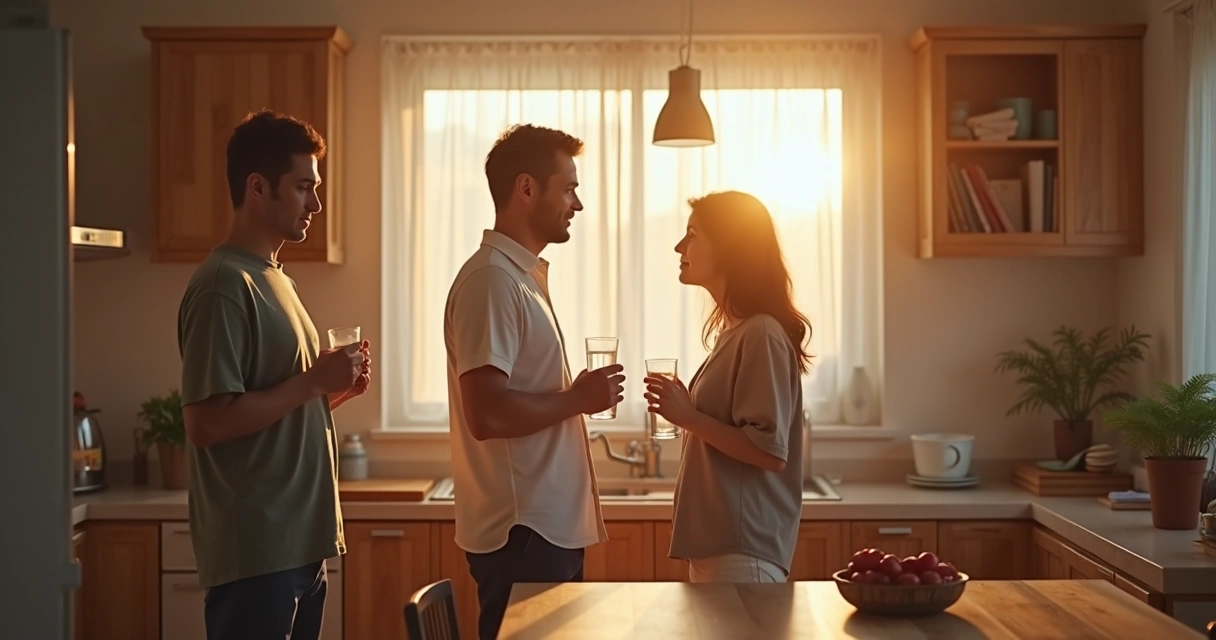
Drink water before continuing a heated conversation.
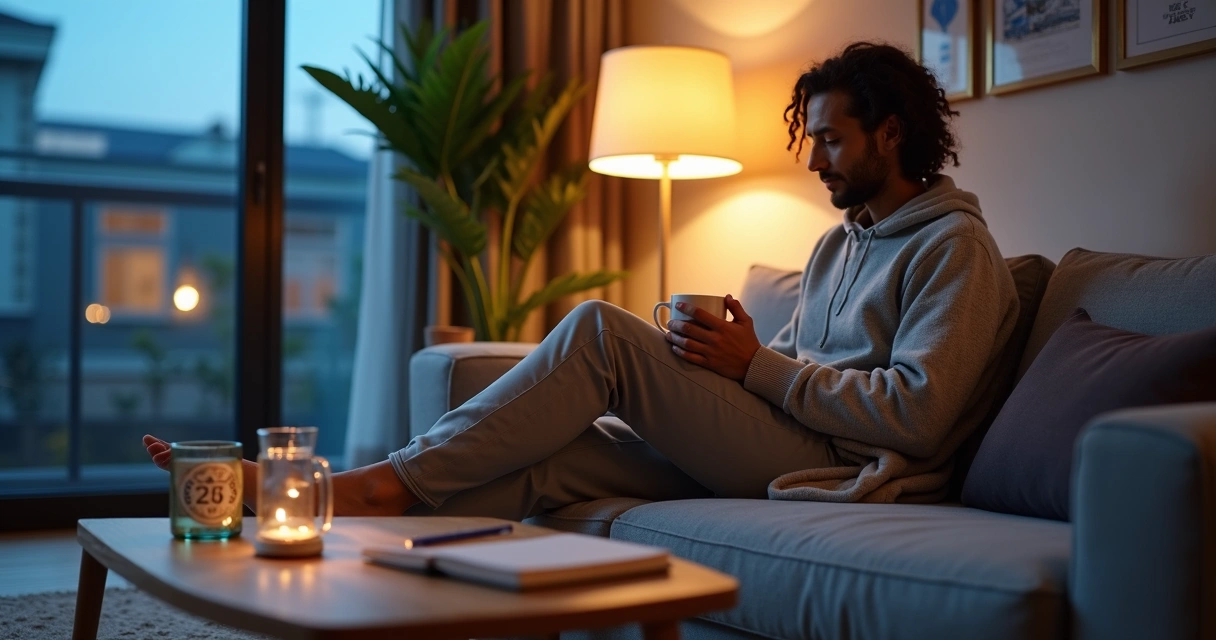
Spend two minutes in silence after arriving home.
Say one clear sentence of appreciation at dinner.
Tidy one small surface before bed to reduce visual stress.
Step outside or walk indoors for three minutes after emotional overload.
We once worked with a family that kept having the same argument in the evening. Nothing changed until they made one agreement. No one would continue a conflict while standing in the kitchen doorway. It sounds almost too simple. Yet the pause it created changed the whole rhythm of their evenings.
How to make micro-habits stick
Many people fail not because the habit is bad, but because it floats without a cue. A micro-habit needs a place to land. We suggest attaching it to something that already happens every day.
A simple sequence helps:
Choose one habit that takes less than two minutes.
Attach it to an existing moment, such as waking up, sitting to eat, or entering the house.
Make the action visible and easy.
Repeat it at the same point in the day for two weeks.
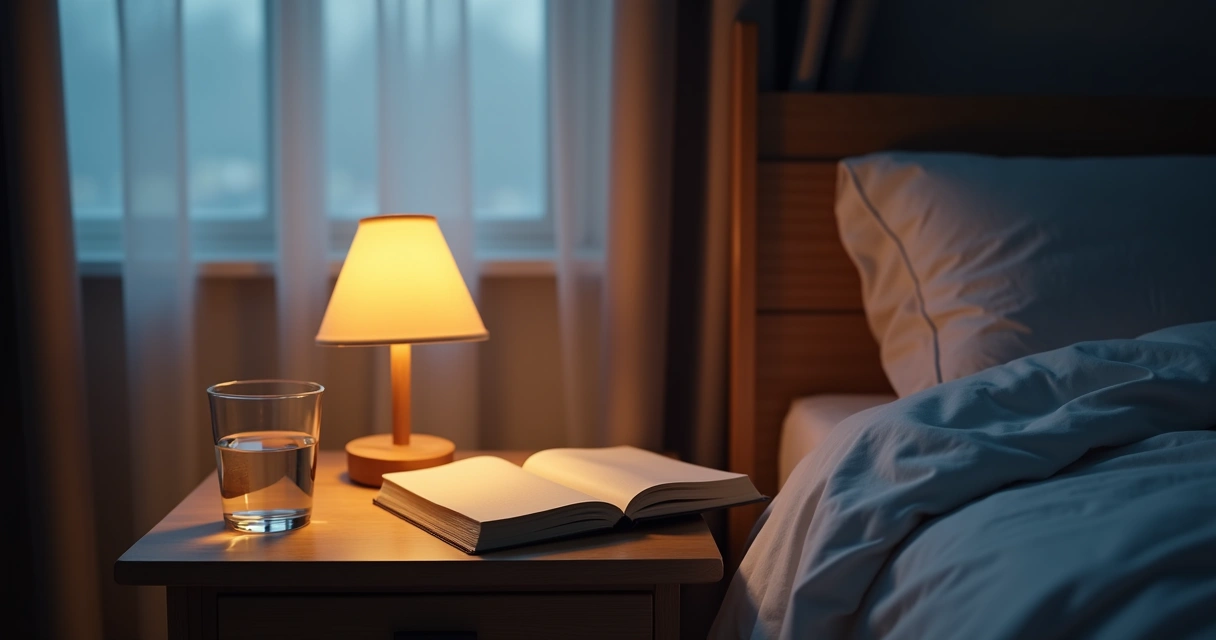
For example, after closing the front door, we pause for one breath and relax the shoulders. After brushing our teeth, we ask, “What feeling am I carrying today?” Before sleep, we turn off one light and let that become the cue for three slow exhales.
The smaller the habit, the easier it is to repeat under stress.
Practices that support attention and self-regulation can also be deepened through meditation. And when we look at how personal behavior affects the whole household, the wider human meaning of care appears in human valuation.
Sleep, support, and the hidden power of consistency
Sometimes people want a quick emotional fix, but resilience grows better in stable conditions. Sleep is one of them. Social support is another. A review on good sleep and active social support linked to stronger resilience showed better self-reported resilience with regular sleep and much better odds of maintaining mental well-being under stress when support was felt to be present.
At home, this means our micro-habits should not be random tricks. They should protect the conditions that help emotional balance. A regular wind-down routine, a short evening check-in, and a habit of asking for help early can do more than dramatic self-promises made once a month.
We often see one quiet truth. People become more stable when the home feels more predictable. Not rigid. Predictable enough to feel safe.
When the household includes more than one person
Shared homes need shared habits. If only one person practices calm while everyone else keeps feeding tension, progress gets harder. We do not mean that everyone must agree on everything. We mean that homes benefit from a few common rhythms.
Good shared micro-habits include:
A no-interruption rule during the first minute of a hard talk.
A short check-in at the same time each evening.
One device-free meal each day.
A habit of naming needs without blame.
We have noticed that people often resist these ideas at first. They say it feels forced. Then something shifts. The ritual removes guesswork. It gives the nervous system fewer surprises. That is often enough to lower defensiveness.
Conclusion
Micro-habits shape emotional resilience at home because they train the body, the mind, and relationships in small, repeatable ways. They help us pause before reacting, restore steadiness after stress, and create safer patterns in shared spaces. We do not need grand emotional reinventions to change a household. We need honest repetition.
If we start with one small action and stay with it, the home begins to feel different. Quieter inside. Clearer. More human. For readers who want to keep following ideas on emotional growth and daily practice, writings by the team behind these reflections can offer more guidance.
Frequently asked questions
What are micro-habits for emotional resilience?
They are very small repeated actions that help us regulate emotion, recover after stress, and respond with more awareness at home. Examples include one deep breath before replying, a two-minute pause after coming home, or a short evening check-in.
How can I build micro-habits at home?
We suggest choosing one action that takes less than two minutes and attaching it to an event that already happens every day, such as waking up, entering the house, or going to bed. Keep it simple, visible, and easy to repeat.
What are the best micro-habits for families?
The best ones are shared, clear, and low effort. Good examples are one device-free meal, one appreciation sentence at dinner, a no-interruption minute during hard talks, and a brief evening check-in.
How long does it take to see results?
Some people feel a shift in a few days, especially with habits that calm the body fast, such as breathing or short movement. Deeper changes in communication and emotional recovery usually show up after a few weeks of steady repetition.
Is it worth it to try micro-habits?
Yes. We think they are worth trying because they are realistic, gentle, and easier to keep during stressful periods. Small actions may look modest, but over time they can change how a home feels and how people treat one another.