


How do we measure the true value of a human being, of conscious choices, and of our collective presence in the world? As we search for a deeper meaning behind value, integrative human valuation emerges as a living framework, threading together consciousness, ethics, practical action, and the impact we generate—in ourselves, in organizations, and in our communities. We have seen how an expanded view of value can change individuals, teams, and even entire ecosystems.
Defining integrative human valuation
Integrative human valuation is an approach that connects consciousness, ethics, human impact, and sustainability to redefine what value truly means. Rather than focusing just on financial or superficial aspects, this framework asks us: How does our presence, our choices, and our actions contribute to personal, social, and planetary well-being?
Most models of value limit their focus to what can be measured—profit, efficiency, or utility. But as we have experienced, this often leaves out what matters most: the quality of human relationships, meaningful work, the nurturing of potential, and the integration of principles into daily living.
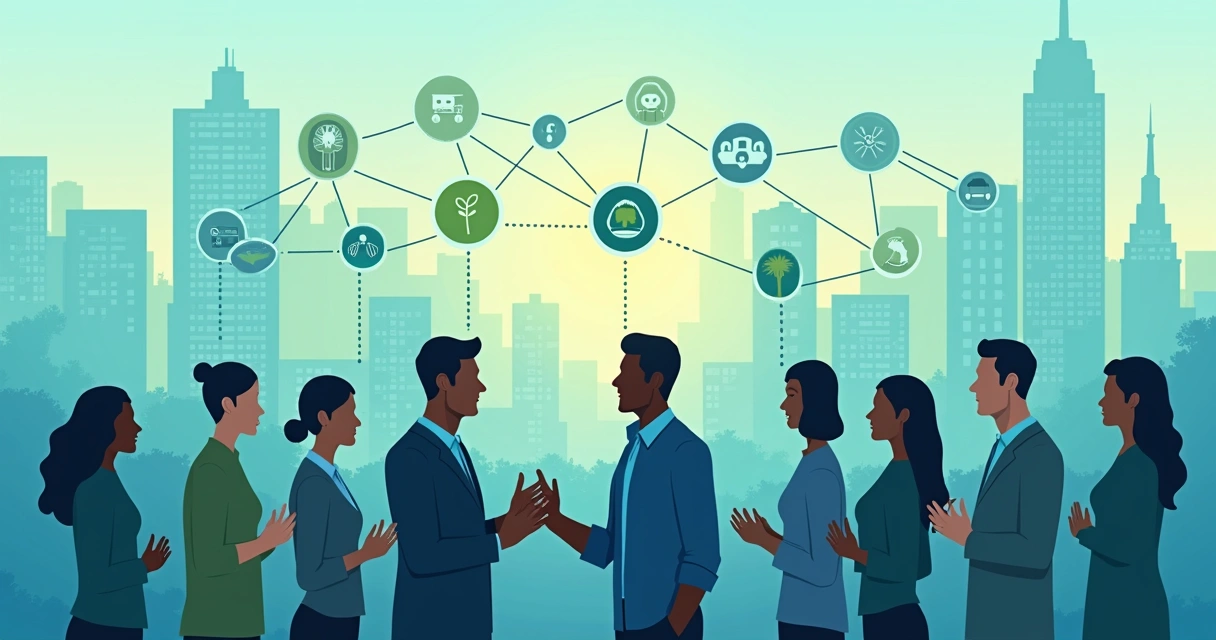
What makes human value integrative?
We have found that integrative valuation stands apart because it always brings together several layers at once:
- Awareness: How conscious are we of our actions and their impact?
- Ethics: Are our choices guided by principles that honor both self and others?
- Sustainability: Do our behaviors contribute to long-term well-being, not just quick results?
- Connection: Does our approach recognize the interdependence between people, systems, and the environment?
Each of these elements is essential for a valuation process that respects the full complexity of human life. Without integration, we risk being out of balance—focusing too much on one dimension while neglecting others.
Why traditional models of value are not enough
In our experience, striving for success by numbers alone often leaves people feeling empty or disconnected. Classic value frameworks emphasize what can be counted: revenue, efficiency, surface-level achievements. But this perspective misses invisible threads—motivation, personal growth, social responsibility, and authentic relationships.
Many leaders have shared with us their frustration when business wins do not translate into real satisfaction or meaning. Personal stories highlight a recurring theme:
We need a broader map to understand what truly matters.
By expanding the lens to include more subtle and meaningful factors, we unlock real potential for growth and fulfillment.
How does integrative human valuation operate in practice?
In our work, we apply integrative human valuation by considering four intertwined domains. They provide both guidance and practical checkpoints:
- Personal domain: How am I developing my self-awareness, emotional maturity, and sense of responsibility? We observe habits, decisions, and internal dialogue, searching for alignment.
- Relational domain: Are my relationships based on trust, clarity, and shared purpose? We look at communication, empathy, boundaries, and healthy exchange in groups and families.
- Organizational domain: Does the workplace foster development, ethical leadership, and genuine collaboration? We assess culture, values, transparency, and the link between intention and result in teams or institutions.
- Societal domain: Am I—and are we—making decisions that create positive impact for larger systems? Here, our lens widens to social responsibility, inclusion, and sustainability.
By applying integrative valuation across these domains, we cultivate a more resilient, aware, and balanced human system. It is a continuous process, not a one-time event.
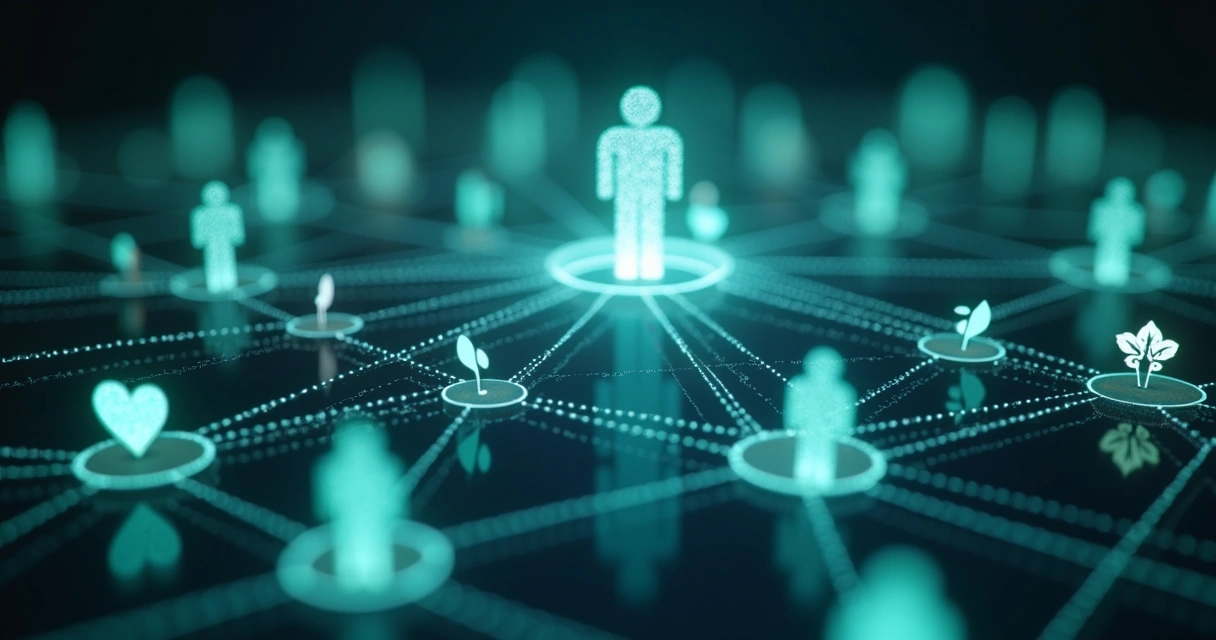
What does integrative human valuation look like in daily life?
Our day-to-day interactions can be transformed when we carry integrative human valuation forward. We watch for small but telling signs:
- Decisions that reflect both short and long-term consequences
- Openness to dialogue, even when it is challenging
- A willingness to take responsibility for mistakes
- Balancing individual goals with collective benefit
- Rootedness in purpose, not just external outcomes
We have noticed, in our network, that leaders and individuals who bring these principles into their choices generate environments where trust, growth, and real value thrive.
Value is not a static label; it is expressed in action, attitude, and the quality of our connections.
Why integrate ethics, consciousness, and sustainability?
We have seen that leaving out ethics or awareness from valuation leads to negative ripple effects: ethical blindness, burnout, or damage to trust. On the other hand, weaving together these elements supports:
- Clarity when facing difficult choices
- Alignment between intentions and outcomes
- Social respect and trust
- Regenerative patterns that nurture both people and planet
Integrated value is what sustains progress with purpose.Through stories and years of evidence, it has become clear to us: real value endures only when it honors the whole—the individual, the collective, and the systems we all depend on.
What practices help strengthen integrative human valuation?
We've tested and observed several core practices that help deepen integrative human valuation at every level:
- Frequent self-reflection and emotional check-ins to foster conscious awareness
- Regular team dialogues to revisit shared values and mission
- Transparent feedback cycles to strengthen accountability and trust
- Systemic mapping of relationships and patterns, inspired by principles relating to systemic constellations
- Ongoing learning about responsible leadership and inclusive decision-making
Resources on human valuation and consciousness can serve as anchors for anyone interested in this path.
Integrative valuation, in our approach, is a living habit—not a fixed result.
How does integrative human valuation support emotional and social maturity?
Emotional maturity is inseparable from value. As we have learned from models like the 9 Pains of the Soul and levels of development, the way we value ourselves and others shifts as our awareness matures.
We recognize the signs in practice: more honest self-expression, deeper listening, stronger boundaries, and transparent repair of mistakes. These qualities ripple outwards, supporting families, teams, and entire businesses.
People are drawn to those who embody integrity and responsibility—because it feels safe and energizing.
When valuation expands, our capacity for aligned and meaningful living grows too.
Conclusion
Integrative human valuation is a living, evolving approach to value—one that includes consciousness, ethics, sustained impact, and a sense of belonging. By applying it in practical ways, we have seen it reshape not just organizations, but also the lived experience of purpose, connection, and fulfillment.
If you are interested in more direct reflections, our team perspective offers further insight into responsible human development.
Frequently asked questions
What is integrative human valuation?
Integrative human valuation is an approach that considers consciousness, ethics, impact, and sustainability when defining value. It moves beyond financial or narrow perspectives, helping people and organizations align actions with deeper meaning and long-term benefit.
How does integrative human valuation work?
It works by broadening the lens of valuation to include self-awareness, transparent relationships, ethical choices, and positive social and environmental impact. This is done through reflection, dialogue, feedback, and continuous alignment of goals with principles.
What are the benefits of integrative human valuation?
Adopting integrative human valuation leads to greater alignment between intention and action, builds trust, nurtures emotional maturity, encourages responsible leadership, and supports sustainable results for individuals, teams, and wider systems.
Who can use integrative human valuation?
Anyone interested in responsible personal growth, team dynamics, organizational leadership, or social transformation can benefit. It is relevant to individuals, families, businesses, and communities seeking purpose-driven outcomes.
Is integrative human valuation worth it?
Yes, because it creates lasting value—balancing short-term needs with long-term well-being and deeper fulfillment. Those who adopt it often find stronger relationships, more authentic achievement, and a clearer sense of purpose in their actions.