


Personal growth is often depicted as a solo journey. The lone seeker, notebook in hand, climbing the mountain of self-discovery. Yet, with every year we spend guiding others and reflecting on our own experiences, we keep seeing the same pattern: growth flourishes in connection, not in separation.
We find that integration creates whole, lasting change while isolation leaves personal development fragmented and limited. Growth is not about just knowing more or feeling better in a vacuum. It's the coming together of what we think, what we feel, and what we do—inside us and with others. Let us show how integration reshapes the path, and why it is not just preferable, but necessary for genuine transformation.
Seeing growth through an integrated lens
Most people have tried strategies that zero in on a single aspect of themselves: a new exercise routine here, a thought pattern there, or an isolated meditative practice. While these can be helpful, what’s often missing is the way they interact with the rest of life.
Integration, on the other hand, is the conscious effort to connect the different dimensions of our experience—thoughts, emotions, actions, and relationships—into a coherent whole. When these areas align, we do not just act differently; we change from the inside out.
Deep change is not about adding more, it is about connecting better.
We see this every day. Someone can intellectually understand that kindness is valuable, but if they act kindly only when it serves their image and ignore emotions of resentment bubbling underneath, change remains superficial. Integration invites us to bridge these gaps, building unity between mind, emotion, and behavior.
Research that supports integration
Scientific research keeps affirming our observations. In studies from the University of Missouri-Columbia, people who worked on integrating their personalities through goal-training programs saw remarkable improvements not just in reaching their aims, but in their overall sense of well-being and vitality. These outcomes show that when we target development with an integrative approach, we get much more than just the sum of small wins.
Similarly, a meta-analysis from the University of Montana highlighted the strong relationship between proactive, interconnected personal growth efforts and mental health. When we take initiative in a way that connects different spheres of our lives, the benefits multiply.
How isolation shows up in personal growth
Isolation can seem appealing at first. It creates focus and shields us from the discomfort of facing certain truths or asking support from others. But in our experience, isolation leads to:
Lack of perspective: Without outside feedback or internal alignment, blind spots stay hidden.
Stagnation: When different parts of our experience remain disconnected, real change struggles to gain traction.
Short-lived motivation: Acts or habits built in isolation often fall away when life throws challenges at us.
Every time we prioritize only one area—such as only working on physical health, or avoiding sharing our emotional struggles—we limit ourselves. Change remains partial and fragile.
What does integration look like in action?
Let’s tell a story. Imagine someone is determined to break a pattern of impatience. Alone, they read books and try to distract themselves when frustration appears. But the real shift comes when they:
Reflect on the origin of their impatience (thoughts and beliefs).
Notice how impatience feels in their body and emotions (awareness).
Practice responding differently in actual interactions (behavioral change).
Seek feedback and share their journey with others who can support and challenge them (relationships).
This story moves from knowledge in isolation to applied, connected practice. The individual grows—not just in self-control, but in self-understanding and connection. The change touches every layer.
Tools and strategies for integration
There isn’t a single formula, but these approaches stand out in our work:
Self-reflective practices that combine journaling, emotional recognition, and behavioral review.
Contemplative and meditative routines that root presence in everyday tasks, not just in quiet moments.
Feedback systems—trusted peers, mentors, or communities—that offer an outside mirror to our internal process.
Experiences that connect personal patterns with larger systems, such as systemic constellations for relational understanding.
Integration of value assessment: aligning our choices with what truly matters, beyond just individual preference. This is where the conversation around integrative human valuation becomes relevant.
Each of these strategies brings together more than one thread of our being, making growth more realistic and less prone to collapse under stress.
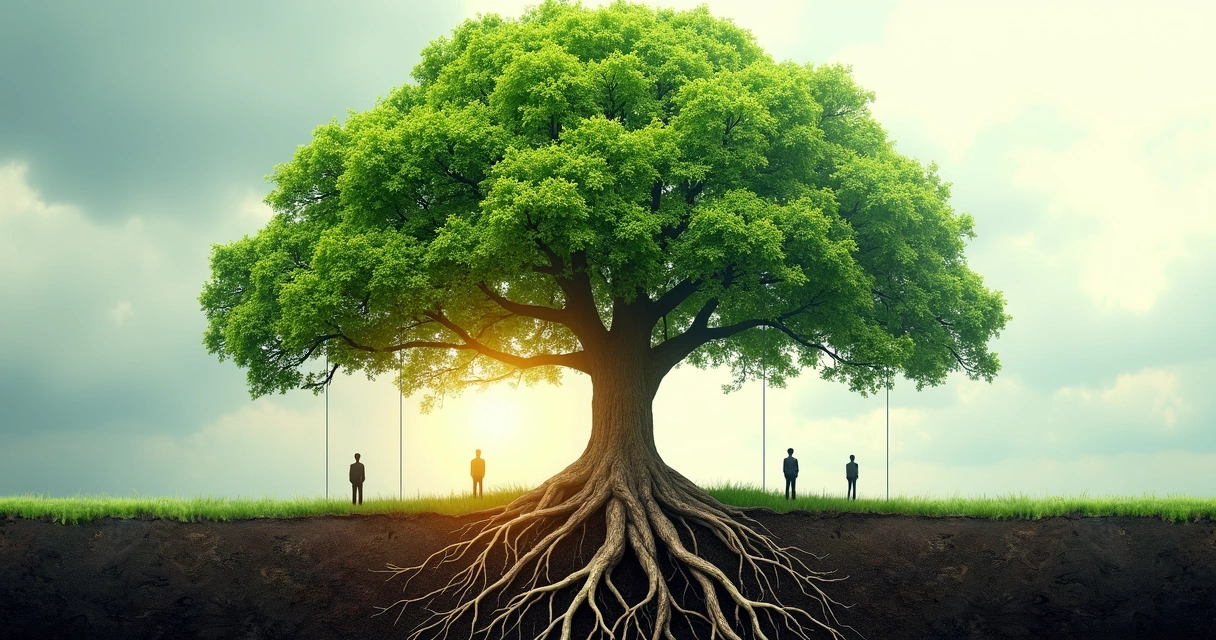
Integration multiplies benefits—not complexity
We often hear concerns that integration means making things harder. In reality, it has a simplifying effect. When different parts of life connect, efforts reinforce each other. Mind, emotion, and behavior act together, reducing self-sabotage and confusion.
Think of a leader who aligns their values with their decision-making, or an individual who works on both internal dialogue and external action. The day-to-day feels less like a battle, more like a river flowing in a single direction. This is not about perfection, but alignment—even as life shifts and throws new challenges.
The role of awareness and presence
Integration cannot happen without awareness and regular presence. Tools from areas such as consciousness studies keep showing us that the more we notice, the more choice we have. When we act out of habit, disconnected from emotion and conscious thought, we repeat cycles. But bringing full awareness—asking “Where does this reaction come from? Does my action reflect my belief and feeling?”—opens the door to integrated change.
Presence is also what keeps us grounded when integrating feels unfamiliar. One step at a time, we connect, reflect, and update. Growth unfolds in these moments.

Integration in leadership and community
Personal growth is often focused on ourselves as individuals. And yet, the most striking transformations occur when integration spills over into the groups we belong to—families, teams, communities. Leaders who bring integration into their practice make space for connection, vulnerability, and growth among others. We have seen how genuine, integrated leaders inspire trust, support, and innovation in a way isolated leadership rarely accomplishes.
The benefits ripple outward, shaping cultures and organizations committed to continuous, responsible evolution. To read more about this perspective, our insights as a team are regularly updated at Team Mind Calm Practice.
Conclusion: Why choose integration over isolation?
In all our years of experience, one idea stands out:
Integrated growth endures. Isolated growth fades.
Integration connects what we think, feel, and do. It forms change that adapts, deepens, and sticks. Isolation might produce moments of insight or bursts of action, but only integration roots progress into daily life. The beauty of integration is its realism: it invites all of us in, with our contradictions, wounds, and dreams, and shows that they belong together if we want to grow.
As contemporary research confirms, and as countless lived experiences reflect, integration is the path where personal growth becomes most meaningful, sustainable, and real.
Frequently Asked Questions
What is integration in personal growth?
Integration in personal growth means connecting your thoughts, emotions, behaviors, and values into one coherent system. Instead of working on isolated skills or traits, integration focuses on how each part of you works with every other part. This creates inner harmony and makes change more stable and authentic.
How does integration help personal growth?
Integration helps personal growth by ensuring that every part of your being supports the others. When your beliefs, feelings, and actions are aligned, you are more likely to maintain positive changes, make better decisions, and experience deeper satisfaction in life. Studies like those from the University of Missouri-Columbia show that integrated approaches make people feel more energetic, resilient, and goal-oriented.
Is isolation bad for self improvement?
Isolation can limit self improvement because it prevents you from seeing the full picture of your personal experience and reduces the impact of support, feedback, and connection. Working in isolation may make short-term gains, but those changes are often less lasting and less fulfilling because they do not address how your whole system operates.
What are examples of integration strategies?
Examples include reflective practices that connect feelings with actions, feedback groups that offer new perspectives, routines that tie meditation to everyday life, and approaches that recognize your place within larger systems (family, work, community). Connecting choices to deeply held values is another powerful integration strategy.
How can I move from isolation to integration?
You can begin moving from isolation to integration by first increasing your self-awareness—notice connections between your thoughts, emotions, and actions. Next, seek feedback and connection with others, share your journey, and dare to bring your growth efforts beyond yourself. Try integration-oriented practices, and be gentle as you align inner experiences with outward behaviors, step by step.