


When we pause and reflect on who we are today, we may realize that many of our core beliefs do not originate from conscious choice. Much of what we think, feel, and do comes from family stories, spoken and unspoken rules, and emotional memories passed silently through generations. In our experience, becoming aware of these inherited belief systems is an eye-opening process that can change the direction of our lives. It allows genuine self-understanding and emotional freedom. Let us share the key steps to help you identify and shift inherited family beliefs, with the hope that your own transformation may begin.
Understanding inherited family belief systems
Inherited family beliefs are powerful stories, assumptions, or values that shape our perceptions—often without our awareness. These are not just ideas we learn as children, but underlying emotional patterns and unwritten rules that guide what feels right or wrong. For example, perhaps you grew up often hearing, “People like us just get by, we don’t expect more.” Or maybe you sensed that showing emotions was risky, even if no one said it outright.
Unseen, these beliefs shape our lives.
Identifying inherited beliefs means looking beyond behavior to the emotions and loyalties behind them. These systems influence relationships, self-worth, career choices, even health. Sometimes, when we face recurring obstacles, the roots lie in what our families valued, feared, or suppressed.
Recognizing clues in everyday patterns
In our research and practice, we have noticed that inherited beliefs tend to show up as certain repetitive patterns. Awareness begins with observation, not judgment. Pay attention to these clues:
- Recurrent struggles that do not respond to usual solutions
- Strong emotional triggers, especially around money, work, or intimacy
- Feeling guilt, shame, or anxiety when you act differently from your family
- Unexplained resistance to success, happiness, or self-care
- A sense of being "stuck" despite best efforts
Notice conversations or phrases you heard throughout childhood. Do you hear yourself repeating them, or rejecting them, but still feeling their weight? Sometimes, we inherit what we most resist. This simple exercise helps:
Write down five things your family "always said" about any topic: money, love, health, outsiders, or what it takes to "be someone."
From these repeated sayings, you can start to see the beliefs that carry real influence. For further guidance, you might find our resources on psychological roots of family patterns useful.
Tracing emotional roots and hidden loyalties
In our experience, inherited beliefs are often reinforced by emotional ties and a desire to belong. Sometimes, we carry family burdens or unfinished emotional business unconsciously—out of loyalty or love. These hidden loyalties can create powerful inner conflicts: wanting to succeed yet fearing to outshine parents, or craving love but fearing rejection.
A practical approach is to map your family system. Try drawing a simple family tree. Note not only relationships but also repeating events or patterns: early loss, migration, hardships, unspoken traumas. Where does the same difficulty occur in several generations? What patterns evoke strong emotions in you?
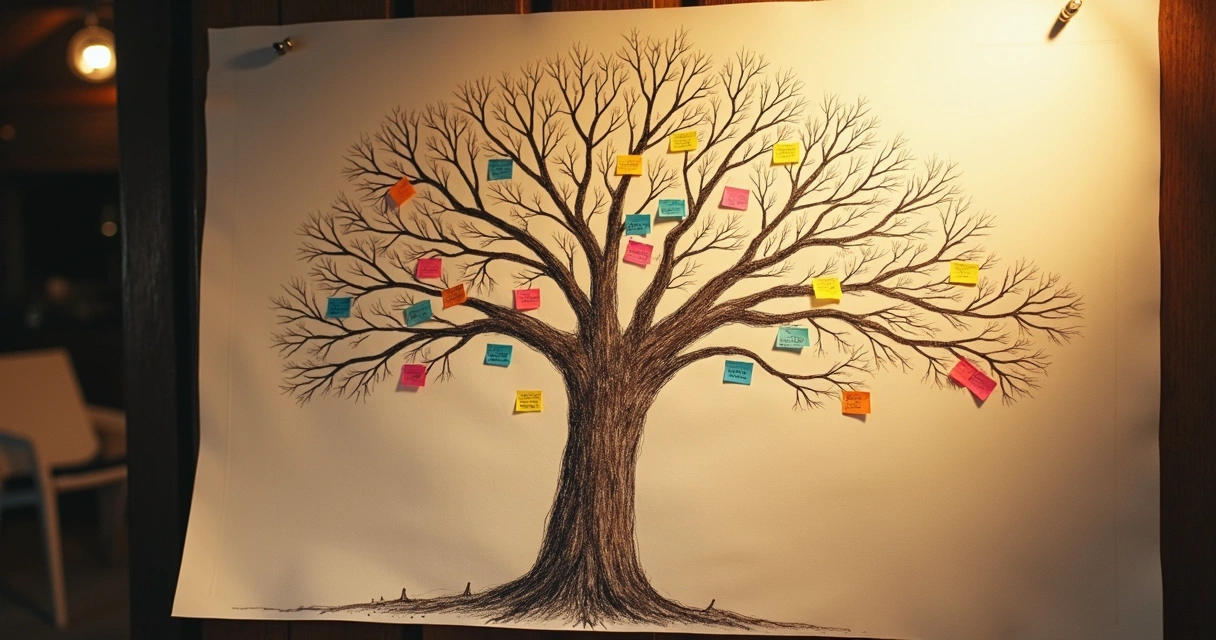
These emotional footprints often reveal deeper beliefs at work. If you see similar challenges echoing through time, you are probably touching on a system-level belief rather than a personal one.
Questioning and reframing inherited beliefs
Once you are aware of recurring family beliefs, ask yourself:
- Does this belief truly reflect what I value now?
- How does it serve or limit me?
- What does it cost to hold this belief? What might be possible if I let it go?
Sometimes, beliefs served a purpose in the past—protection, stability, connection. We can respect where they came from, while still choosing a new path. Shifting an inherited belief does not mean rejecting your family, but honoring your own growth.
A helpful exercise is to write the belief as you received it, and then rewrite it in words that support your life today. For example:
Original: “Showing emotions is weak.”Reframed: “Showing emotions is human and can build strong connections.”
With consistent reflection, these reframings become new inner anchors. For deeper relational insights, visit our materials on seeing the bigger systemic picture.
Building conscious practices for change
Personal change is not just mental. Lasting shifts come from integrating new beliefs emotionally and in everyday actions. Here are practical steps we have seen work:
- Awareness rituals: Start each day with a short check-in. Notice which old beliefs are active in your plans or worries. Name them gently, without judgment.
- Mind-body connection: When you catch a limiting belief (“I’m not good enough,” “I don’t deserve this”), pause. Where do you feel it in the body? Breathe into the sensation. Often, emotional patterns show up as tension, heaviness, or tightness.
- Safe experimentation: Try behaving in ways that support your new beliefs, even if it feels uncomfortable at first. Take small steps—share a feeling openly with someone you trust; apply for the opportunity you’ve avoided.
- Community and dialogue: Seek supportive allies. Conversations with conscious friends, groups, or mentors can reinforce new patterns.
- Forgiveness and gratitude: Thank the old belief for what it once offered. Let your new choice come from understanding, not rejection.

We think that repeated conscious action transforms beliefs more deeply than discussion alone. As new patterns grow, you may notice a lightness replacing old heaviness. Give yourself time—this work unfolds at its own pace.
The connection with self-worth and human value
Changing inherited beliefs often starts with self-worth. When we internalize limiting family values, it subtly erodes confidence and possibilities. Rebuilding self-value means redefining what makes us worthy. Your worth does not depend on old family definitions. It grows from your conscious choices, actions, and recognition of your own experience.
This is why we encourage interested readers to explore more on consciousness and self-awareness and read about human valuation from a new perspective. For those who wish to go deeper, searching for inherited beliefs in our blog can reveal more real-life examples and practices.
Conclusion: A new story for your life
Recognizing and shifting inherited family belief systems is not about blaming or cutting ties—it’s really about choice. When we see where ideas started, how they’ve shaped us, and what we truly want today, we reclaim the authorship of our story. Much of the work is quiet and inward—reflecting, naming, and gently updating our beliefs over time. With curiosity and patience, each of us can become a bridge between our family’s past and a more conscious future. New beliefs, when lived, change generations to come.
Frequently asked questions
What are inherited family belief systems?
Inherited family belief systems are sets of core values, assumptions, and emotional patterns passed down through generations, influencing how we see ourselves and the world. They can be expressed openly (rules, sayings) or be more hidden (emotional reactions, silent expectations).
How do I recognize my family beliefs?
Start by observing repetitive attitudes or phrases in your family and your own life. Notice where you feel tension, guilt, or shame around certain choices. Looking at family history and recurring struggles among relatives can also reveal inherited beliefs. Journaling about what your family "always said" or did is a helpful tool for clarity.
How can I change limiting family beliefs?
You can change limiting beliefs by first identifying them, questioning their value in your current life, and consciously choosing new beliefs aligned with your goals and well-being. Practice new behaviors, get support from trusted people, and give yourself time for gradual change.
Why do family beliefs affect my life?
Family beliefs affect your life because they shape your sense of identity, safety, and belonging from an early age. They influence decisions, self-worth, and emotional responses, often without conscious awareness. The desire to stay loyal or avoid conflict can make these beliefs very persistent.
Is it hard to shift inherited beliefs?
Shifting inherited beliefs can feel challenging since they are deeply rooted, but it is possible. With steady awareness, reflection, and gentle practice, new beliefs become natural over time. Support and patience are key ingredients in this process.