


Making decisions is part of our daily lives, from the smallest to the most life-changing. We hope for clarity, aim for the best outcomes, and often replay our choices in our minds. Yet, one thing remains consistent: every decision holds a dance between emotion and reason. Sometimes, they move together in harmony. Other times, they conflict. We want to make choices that feel right and also make sense—but how do we truly find that balance?
Understanding the roles of emotion and reason
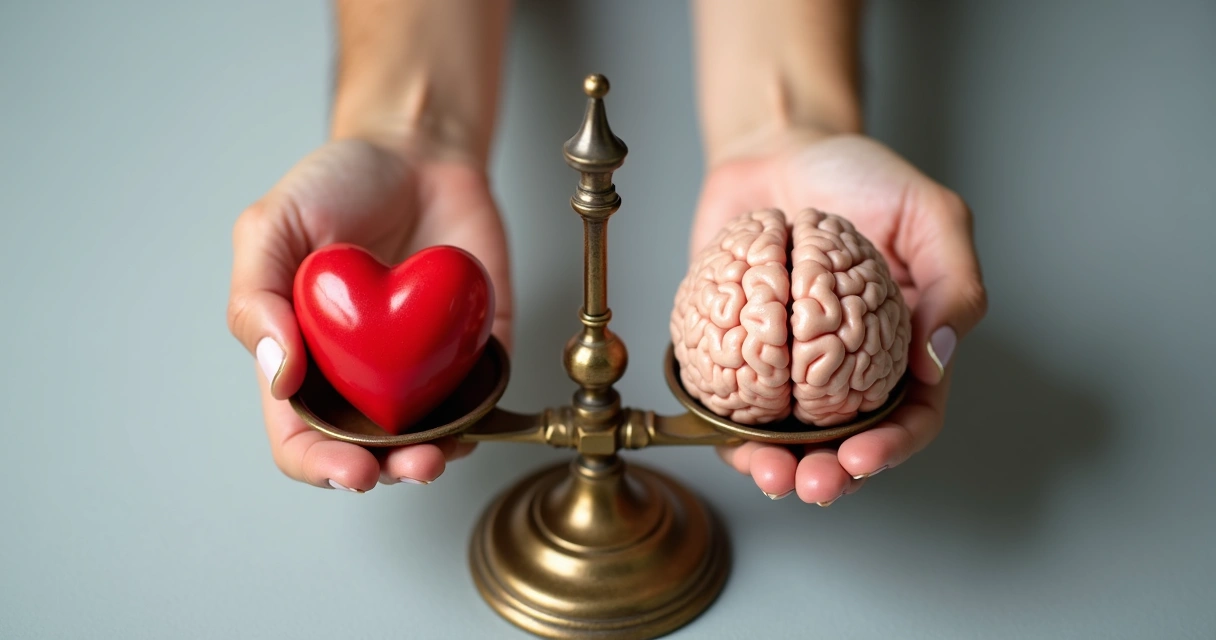
Reason and emotion are not rivals. They are two forms of intelligence, each giving us a perspective that the other cannot supply. Think of reason as the part of us that weighs pros and cons, sees patterns, and imagines future consequences. Emotion tells us what matters to us, what excites, worries, or moves us. In our experience, both are needed to make decisions that respect who we are and the reality we live in.
Both the heart and the mind have a voice worth listening to.
When we ignore feelings, our choices risk becoming detached, hollow, or quickly regretted. When we let emotion dominate unchecked, we often miss key facts and stumble into patterns we don’t want. Balance is not about favoring one over the other— it is about letting each inform and support the other.
Why is balance so hard to maintain?
We have all experienced that tug of war: logic pushing in one direction, feelings pulling in another. Why does this happen so often?
- Our background and experience color what we pay attention to.
- Unconscious emotional patterns can override slow thinking.
- Culture and habits might reward either emotional “gut” reactions or cold calculation, but not both.
- Stress amplifies emotional responses and narrows our reasoning abilities.
In our observation, real-world choices rarely come with perfect information or comfortable certainty. Uncertainty amplifies the urge to favor one side over the other, sometimes until we freeze or act impulsively.
Recognizing emotional signals
We believe emotional awareness gives us early warning signs and helps us sense when a decision carries extra weight. Signals might include a racing heart, a wave of excitement, or a pit in the stomach. These aren’t just distractions; they are messengers.
Identifying emotions is a skill that grows with practice. We recommend noticing:
- What do I feel about this decision?
- Where do I sense it in my body?
- When did this feeling start—before or after knowing the facts?
- Is this a fear of repeating the past, or an excitement about something new?
Sometimes, strong emotions can blur the facts. Other times, they highlight what we truly value. Paying attention gently, without judgment, helps us get honest signals rather than being swept away.
Applying reason without ignoring emotion
Seeking facts, weighing options, and thinking things through are strengths of reason. However, when reason becomes disconnected from what we feel, it loses the context that gives meaning to our choices. A purely rational decision may look ideal “on paper” but feel empty.
When we sort evidence and arguments, we can ask:
- What is the real goal of this decision?
- What are the facts—not opinions—at hand?
- What possible outcomes can I predict realistically?
- Where might my own thinking be biased?
Combining emotion and reason means checking facts and honoring what is personally meaningful.

Steps to achieve genuine balance
We have seen that creating harmony between head and heart is a practice, not a one-time task. Here is a simple progression that helps:
- Name what you feel and why. Write it down if that helps. Watch for patterns across time.
- Ask what you know objectively. Separate stories or fears from data.
- Clarify the values at stake. Is this about security, connection, growth, honesty, or something else?
- Imagine outcomes using both emotion and logic. Would you feel proud of your choice later? Does it make logical sense when you slow down?
- Give it time, where possible. Space never hurts clarity unless a quick response is needed.
None of these steps locks you into a rigid pattern. They are ways of surfacing all the information—internal and external—so you can make a choice with both eyes open.
Troubleshooting common traps
Even with good intentions, we all fall into patterns. Here are some we notice most often:
- Letting anxiety rush us into choices we haven’t checked with logic.
- Believing only “rational” answers count and dismissing real hurt or excitement.
- Seeking total certainty before acting, which leads to stalling.
- Over-valuing immediate relief and missing long-term outcomes.
- Getting stuck in past regrets or imagined disasters, not what’s truly in front of us.
The way out of these traps is gentle self-questioning and honest pauses. When unsure, we have found that speaking with someone we trust or even looking at resources in areas like consciousness or psychology can offer refreshing angles.
Practices for developing your internal balance
With patience, strengthening our inner balance becomes easier. In our experience, several practices help:
- Short daily reflections, perhaps through journaling or silent observation.
- Learning about meditation to clarify what is ours and what comes from outside.
- Exploring values with exercises or seeking insights about human valuation.
- Continually scanning for automatic patterns in how we react to similar decisions.
- Being gentle with mistakes, seeing every choice as a new lesson.
Balance is not static. It is a living relationship between emotion and reason in every moment.
Sometimes, using tools that help us search for patterns in our behavior or explore more about how we think and feel—like through a search of knowledge resources—can bring awareness and support deeper change.
Conclusion
Real-world decisions rarely fit into neat boxes of “feeling” or “thinking”. Our experience shows that lasting, responsible choices emerge from the points where logic and emotion work as partners, not enemies. Listening to both does not always guarantee an easy path, but consistently brings us closer to choices we can stand by, even when things get tough. With awareness, a sense of patience, and healthy self-questioning, we can build the kind of inner balance that leads to a more grounded, fulfilling life.
Frequently asked questions
What is emotional reasoning in decision-making?
Emotional reasoning is when we base decisions mostly on how we feel in the moment, sometimes ignoring the facts or other viewpoints. It’s the process of seeing a choice as right or wrong only because it “feels” that way, rather than checking if our emotions match the reality or goals of the situation.
How to balance feelings and logic?
We often suggest naming what you feel, understanding where it comes from, then checking the facts and how the choice lines up with your personal values. Take a pause when you have strong emotional reactions, and ask yourself how the situation would look if you could see it with fresh eyes. This blend of open self-inquiry and real information helps both feelings and logic weigh in without dominating.
Why is balancing emotion and reason important?
Balancing emotion and reason prevents us from making rushed or empty choices that we may later regret. Emotion shows us what’s meaningful, while reason keeps us honest about reality and consequences. When we combine both, our decisions usually lead to better long-term results and a greater sense of alignment with who we want to be.
What are common mistakes when choosing?
The most common mistakes are acting too quickly under strong emotion, ignoring emotion and going “by the book,” or getting caught in endless overthinking. We also see people stuck by waiting for total certainty or becoming paralyzed by fears of making the wrong choice. Awareness and practice help us avoid these traps.
How can I practice better decision-making?
Pausing before reacting, reflecting on what you really feel and why, writing down your thoughts, and imagining the outcome of different choices help build decision skills. Practices like daily reflection, meditation, and exploring your values will strengthen the habits that support reliable, balanced choices every day.